Shifting Horizons: How Anti-Tourism and authenticity are reshaping travel in 2026
The era of simply ticking landmarks off a bucket list is fading. Since the world reopened its borders, the travel landscape has been steadily evolving, moving away from frantic sightseeing toward meaningful journeys that foster a genuine connection with local people and places. As we look toward 2026, industry data analysis suggests a profound shift in how holidaymakers are choosing to spend their time and money, with a distinct move away from the chaotic mainstream.
The rise of anti-tourism
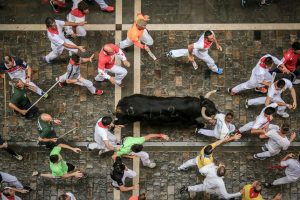
Travellers are increasingly voting with their feet to avoid the crush of overtourism. To better experience local culture and dodge the masses, a significant number of people are turning their backs on peak seasons and heavily trafficked hotspots. Climate change is playing a role here too, with nearly half of luxury travel advisors noting that clients are adjusting their plans to avoid extreme weather, favouring shoulder seasons or destinations with milder climates.
This behaviour is fuelling the rise of “secondary cities” and lesser-known regions. Rather than descending on the major tourist hubs, visitors are seeking out spots that sit just outside the limelight. Data from booking platforms indicates that accommodation searches in these secondary destinations are growing at a faster clip than their traditional counterparts. Governments in countries like Japan and Indonesia are already capitalising on this, launching campaigns to disperse visitors into regional areas to relieve the pressure on their capitals.
Greece’s quiet contenders
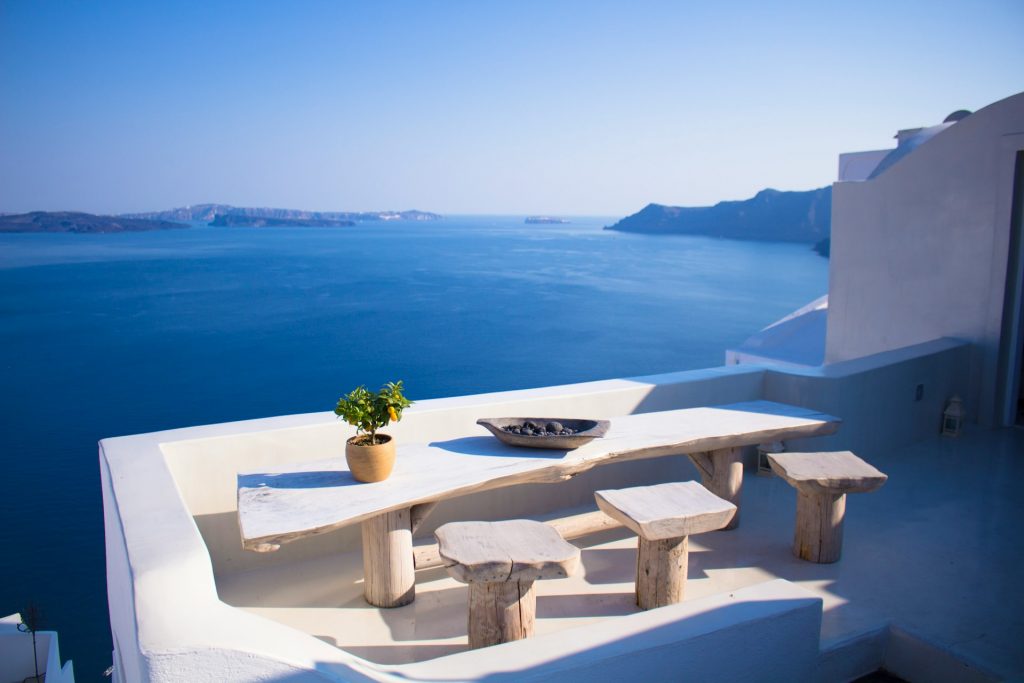
Nowhere is this trend more relevant than in the Greek islands. While the country boasts 6,000 islands and islets, the vast majority of visitors funnel themselves into just a handful of heavy hitters. Yet, for those keen to escape the throngs that descend on Mykonos and Santorini, there are dozens of inhabited islands that offer a laid-back atmosphere without the cast of thousands. The secret to their tranquillity is often a lack of direct international flights; islands served only by domestic connections or ferries naturally keep the crowds at bay.
A prime example of this authenticity is Aegina. Despite being only a half-hour catamaran ride from Athens’ port of Piraeus, it barely registers with foreign tourists. It is a shame, as the island is packed with traditional tavernas and offers excellent value. While the beaches might not rival the most famous in the Mediterranean, the local pistachio orchards ensure you won’t find better ice cream anywhere else.
Further afield, butterfly-shaped Astypalea sits halfway between the giants of Santorini and Kos but feels a world away. It flies under the radar, rewarding those who make the ferry journey with Roman baths, a Venetian castle, and a museum full of antiquities. The waters here are translucent, and the local cuisine offers unique treats like ardista (stewed lentils) and lambriano (stuffed lamb), far removed from the standard tourist fare.
Mythology and nature over glitz
For travellers chasing the “anti-tourism” dream, Lipsi in the Dodecanese offers a mythical escape. Legend claims this is where the goddess Calypso enchanted Odysseus, and today’s visitors are easily charmed by its turquoise waters. It requires a two-hour boat trip from Kos, ensuring that only the most dedicated beachgoers make the trek to the sands of Platis Gialos or the pebbles of Monodendri.
Similarly, Andros, the second-largest of the Cyclades, offers a greener, more rugged alternative to its glitzy neighbours. It is a haven for hikers, with scenic trails winding through the countryside. The standout beach, Achla, is watched over by a lighthouse and an Orthodox church, providing a stark contrast to the sunbed-cluttered coasts elsewhere. Meanwhile, Folegandros, sitting in the shadow of its Cycladic sisters, maintains a bohemian edge. Its main town, Chora, is a traffic-free, cliff-top gem with some of the prettiest squares in the Aegean. Watching the sunset here, perhaps after a hike to the whitewashed Panagia church, offers a level of peace that is becoming increasingly rare.
The great decision detox
This gravitation towards quieter islands aligns perfectly with another emerging trend: the “decision detox.” Modern life has left many travellers mentally exhausted before they even pack a bag. Consequently, the days of the DIY itinerary are waning for some, replaced by a desire to hand the reins over to experts. Travellers want trusted agents or hotels to curate the experience for them so they can properly switch off. It is no longer just a luxury add-on; for time-poor, high-stress individuals, having a holiday planned by a professional is becoming a baseline expectation.
This shift has reshaped the luxury sector, where endless choice is being replaced by hyper-curated recommendations. The goal is to free the holidaymaker from thinking about logistics or costs while on the road, allowing for total immersion in the experience.
Wellness and active longevity
The concept of wellness is also maturing. It has moved beyond simple spa packages to encompass science-backed longevity programmes and mental health retreats. Whether it is an Ayurvedic programme in India or a silent retreat in Canada, travellers are viewing these trips as long-term investments in their health.
Interestingly, this appeal spans generations and budgets. The “healthy wealthy” demographic is growing, but so is the interest from younger travellers. Two-thirds of Americans under 35 now actively prefer trips that include hiking, rafting, or cycling, and half intend to maintain their wellness routines while away. The hiking trails of Andros or the swimming spots of Lipsi fit squarely into this demand for active, restorative travel.
Nostalgia and the new gap year
While health drives some, memory drives others. Nostalgic travel is surging, with nearly eight in ten younger travellers wanting to recreate trips that remind them of their childhood. At the other end of the spectrum, young retirees—including the older cohort of Gen X—are embracing their newfound freedom. Unlike previous generations of retirees who might have stuck to safe, predictable tours, this group is booking adventurous, long-haul “gap years,” eager to explore the world with a sense of vigour.
The AI concierge
Underpinning all these changes is the silent rise of technology. While travellers use artificial intelligence to book their getaways, hotels are deploying it to predict guest needs. The coming year will likely see a transition from reactive service to predictive personalisation. By using data to tailor every detail of a room or itinerary before a guest even arrives, hotels aim to make personalisation the default operating system of the future. Whether it is a high-tech hotel or a rustic Greek taverna, the goal for 2026 remains the same: a more personal, less crowded, and deeply authentic experience.